
Curating Algae. Creating Potential. This month the Algae Biomass Organization is highlighting Bigelow Laboratory, a Silver-level member. Over the past 50 years, Bigelow Laboratory has reimagined ocean research – fusing scientific inquiry with entrepreneurial ingenuity. This unique approach powers two of the laboratory’s leading centers that will be familiar to the ABO community – the […]
Main Content
Our Members Include
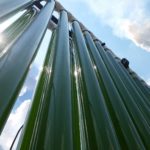
Food and Feed

Bioplastics and Chemicals

Carbon Capture
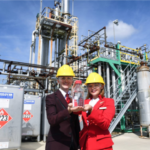
Energy and Biofuels
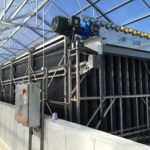
Water Treatment
Ecosystem Services
From the Blog

From the Desk of the Executive Director – November 2023
October and November has been a busy time period for ABO staff. Here are the highlights.
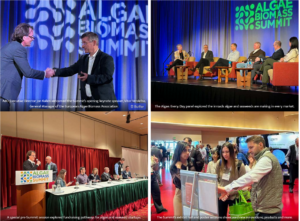
Dispatch from the 2023 Algae Biomass Summit
The 2023 Algae Biomass Summit concluded on October 11 in Madison, Wisconsin and the overall feeling of the hundreds of attendees can be summed up in one statement: It’s good to be back! The first in-person Summit since the pandemic kicked off early with a special Sunday session for investors and startups looking to take […]
Our Achievements
-

Advanced Research Funding
ABO members have worked with bipartisan Congressional coalitions to secure over $500 million for algae R&D and technology commercialization.
READ MORE > -

Networking and Events
ABO brings together a global community, and produces the largest algae conference in the world: the Algae Biomass Summit.
READ MORE > -

Education and Standards
ABO is working to develop the algae workforce, designing new technical standards for algae production, and more.
READ MORE > -

New Policy
For the first time the New Farm Bill recognizes algae as a crop. The USDA now has new tools to develop algae and related technologies for nutrient management, soil health, carbon recycling and other farm and rural applications.
READ MORE >